
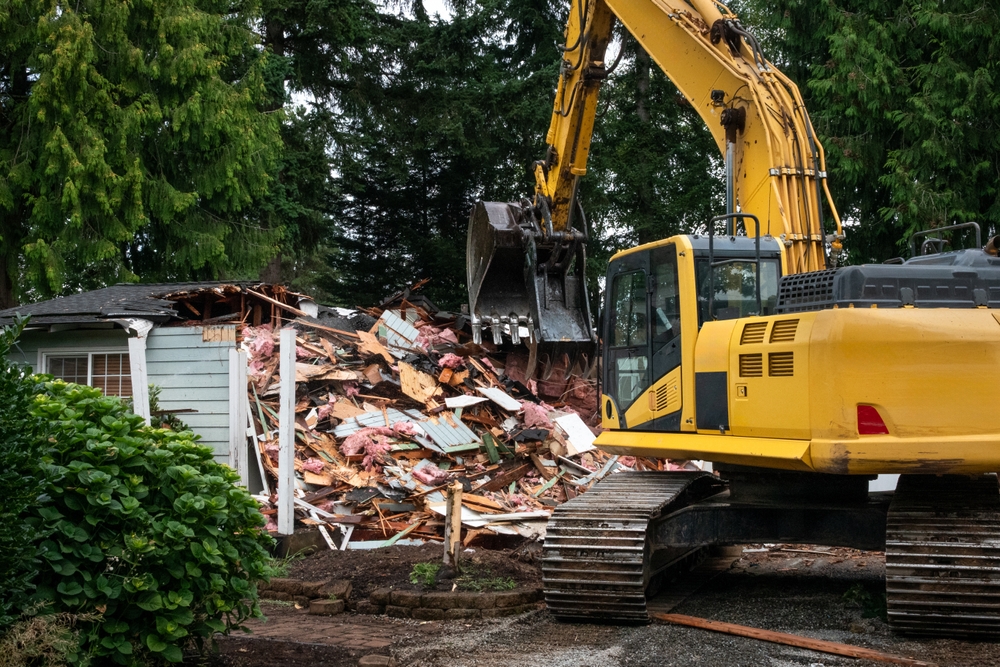
The Demolition of your home is a major project that should be handled by a professional and reliable demolition contractor.
Work with an experienced local contractor to ensure your Wollongong House Demolition project is carried out efficiently and safely.
This guide explains the different types and methods used in residential demolition and walks you through the entire process so you know what to expect.
Read on for your full introduction to Residential Demolition Wollongong.
What Is Residential Demolition?
Residential demolition is the dismantling and removal of houses and other structures on private land. In Wollongong and the surrounding suburbs, this could involve anything from demolishing a single-storey weatherboard cottage to clearing a multi-level brick home.
A homeowner decides to demolish their home for various reasons. It may be damaged, unsafe, or contain asbestos. Some people demolish older homes to build modern replacements that better suit their family’s needs or to subdivide land for development.
The type of demolition work to be carried out depends on the householders’ requirements:
- Full dwelling demolition:
The complete removal of a house, including all structural elements, fixtures, and attached components. You are left with a cleared, level block ready for a new build. This “knock down rebuild” approach is evident in some Wollongong streets, where new houses are appearing next to older buildings. - Partial structure removal:
This may involve removing an unwanted wing of the house or a second storey, thereby significantly altering the property without fully removing it. - Interior strip-outs for renovations:
The removal of internal walls and fittings, entire kitchens and bathrooms, while the shell of the house remains intact. This leaves the affected areas ready for renovation. - Detached building demolition:
Removing structures that are separate from the main house, like a granny flat, shed, workshops or garages.
Types of Residential Demolition Methods
The method used to demolish a house depends on factors like the building’s size and construction materials, the location, site access, and what your plans are for when demolition is completed.
In Wollongong, demolition experts typically use two primary methods and often combine them for a single project.
Mechanical Demolition
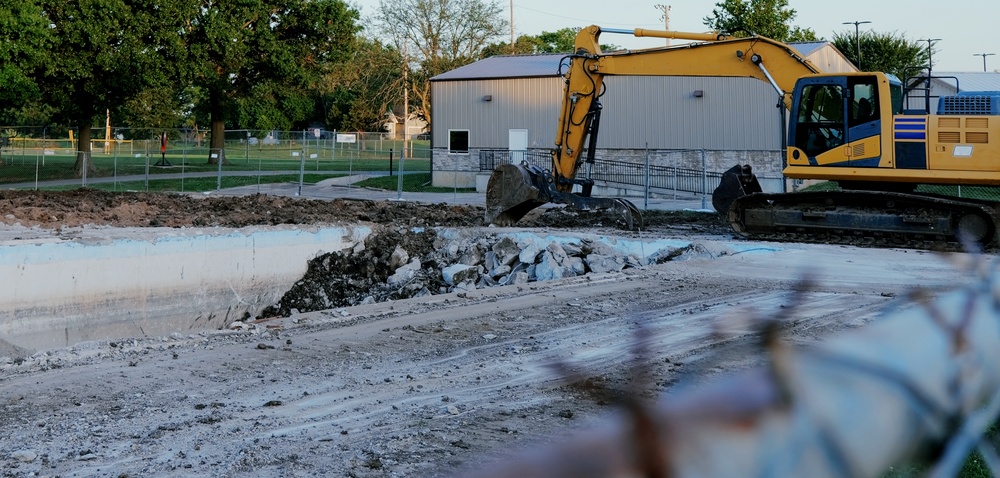
The use of heavy machinery, like excavators or bulldozers, to dismantle structures. Many contractors can complete a standard house demolition quickly with machinery, making it cost-effective and efficient for tight timelines.
Manual Demolition
Workers use handheld tools and smaller equipment, such as sledgehammers, jackhammers, and saws, to dismantle structures piece by piece.
The Residential Demolition Process in Wollongong
Understanding the demolition process helps you plan effectively and know what to expect at each stage.
A residential demolition Wollongong, carried out by a professional contractor, follows an established process.
Here’s a step-by-step overview of a well-managed demolition project.
Pre-Demolition Planning and Assessment
An initial site visit enables your Wollongong City demolition contractor to begin project planning and develop a fully itemised quote for the work.
This assessment includes:
- Site inspection and survey:
A qualified demolition contractor inspects your home, noting the building construction and structural elements and decides upon the best demolition method for your circumstances. - Asbestos inspection requirements:
Homes built before 1990 normally require an asbestos inspection by a licensed expert. This helps identify any asbestos-containing materials (ACMs) that must be removed before workers can enter the site. - Access planning:
Contractors need to ensure that machinery and trucks can access the site without disrupting traffic or damaging kerbs and footpaths. - Risk assessment documentation:
Your inspector will create a risk log detailing how they will handle hazards such as dust, noise, and vibration throughout the project. - Free quotes
The inspection and subsequent plans will enable an experienced team with extensive industry experience to develop a transparent price and a detailed quote for you.
Obtaining Approvals and Permits
When the plan is complete, the approval process begins. You will need to submit documentation to Wollongong City Council and SafeWork NSW at least.
Note that no work should start before all approvals are received.
- Development Application submission:
You submit a DA to the City Council. This typically includes a site diagram, the planned demolition method, waste management plans, and how your demolition crew intend to protect the local community. - SafeWork NSW notification:
You must notify SafeWork NSW at least five working days before demolition starts.
Service Disconnection
You must contact the provider for each service or utility and arrange for them to be disconnected, as follows:
- Electricity:
Never try to disconnect power yourself. Contact your electricity provider to arrange for a professional to disconnect service. - Gas and water:
Your gas supply must be capped at the meter or street connection. Disconnect your mains water and cap the pipe at the boundary of the property. - Telecommunications/Broadband:
Contact your service provider to disconnect phone and internet lines.
Asbestos Removal and Hazardous Materials
Most Wollongong properties built or renovated before 1990 will have asbestos-containing materials present. This must be removed before demolition work starts.
These are the steps to follow:
- Site Asbestos inspection:
A qualified and licenced assessor conducts an inspection of the property, reporting any asbestos-containing materials, plus their location, type, and condition. - Licence requirements for removal:
Asbestos must only ever be removed by licenced contractors. - Disposal at approved facilities:
Asbestos waste is sealed and securely transported to designated disposal facilities. - Clearance certificates:
After removal, an independent inspection must be conducted, and clearance certificates issued.
Demolition Phase
Finally, after all those weeks of planning, permits, and preparation, your Residential Demolition Wollongong can start!
For a standard Wollongong home, demolition should take just one to three days, though larger or more complex properties may require up to a week.
- Structure dismantling:
Your property is removed methodically, section by section, to prevent damage to neighbouring properties or underground services. - Debris management:
Waste is sorted into categories such as concrete, metal, and timber that may be recycled, while other debris and contaminated materials are disposed of. - Site safety:
Fences and warning signs will be installed, and your contractors will ensure that only authorised personnel can enter the demolition area. - Dust suppression methods:
Misting systems and water sprays are often used to prevent dust from spreading, protecting air quality for your neighbours. - Permitted hours:
In Wollongong and throughout NSW, demolition work is typically restricted to hours between 7 am and 5 pm.Note that residential demolition may not be conducted on Sundays or public holidays to give the local community a break from the noise and disruption.
Site Clearing and Waste Disposal
When the demolition is finished, your contractors will clear debris, sort the waste materials, and level and prepare the site for your next project.
- Debris removal and sorting:
All waste is sorted according to category and final destination, then loaded onto trucks for transport to recycling facilities or disposal sites. - Recyclable material separation:
Timber and materials such as concrete, bricks and some metals are sent for recycling. This reduces disposal costs, benefits the environment, and may lower your overall price. - Concrete and metal recycling:
Crushed concrete can be used as a road base or aggregate in new construction. Scrap metal can be surprisingly valuable and is sent to metal recyclers, who process it for reuse. - Contaminated materials:
Any waste materials contaminated with asbestos, lead paint, or other hazards must be taken to licensed disposal facilities. - Site preparation:
Machinery is usually used to level the cleared site, compact soil where the house stood, and leave the block ready for your follow-up project.
Final Inspection
The final inspection is carried out by your local council, which will issue certificates you’ll need for any future development applications on the site:
- Council final inspection booking:
Arrange for a site inspection by Wollongong City Council to confirm that demolition was completed according to plan. - Completion certificate:
You will be issued a completion certificate confirming that the demolition complied with all relevant local regulations.
Professional Residential Demolition Services in Wollongong
At Wollongong City Demolition, we are the trusted residential demolition team the locals recommend. Our experienced, professional team, with licenced and insured operators, will demolish your Wollongong home efficiently and safely, in compliance with health and safety regulations.
We are friendly and approachable. Get in touch to ask any questions and discuss your requirements. We will arrange a site visit and begin preparation of your free, no-obligation quote.





Leave A Comment