
If you are the owner of land which may be contaminated by previous use, you are a prime candidate for Wollongong soil remediation.
Soil remediation Wollongong is the process by which tainted, unusable land is restored so it can be reused or redeveloped. Many locations across Wollongong and the region are contaminated due to prior industrial, agricultural, or commercial land use.
Find out what soil remediation is and why it matters. We help you to understand the end-to-end process, so you know what to expect with Wollongong site remediation.
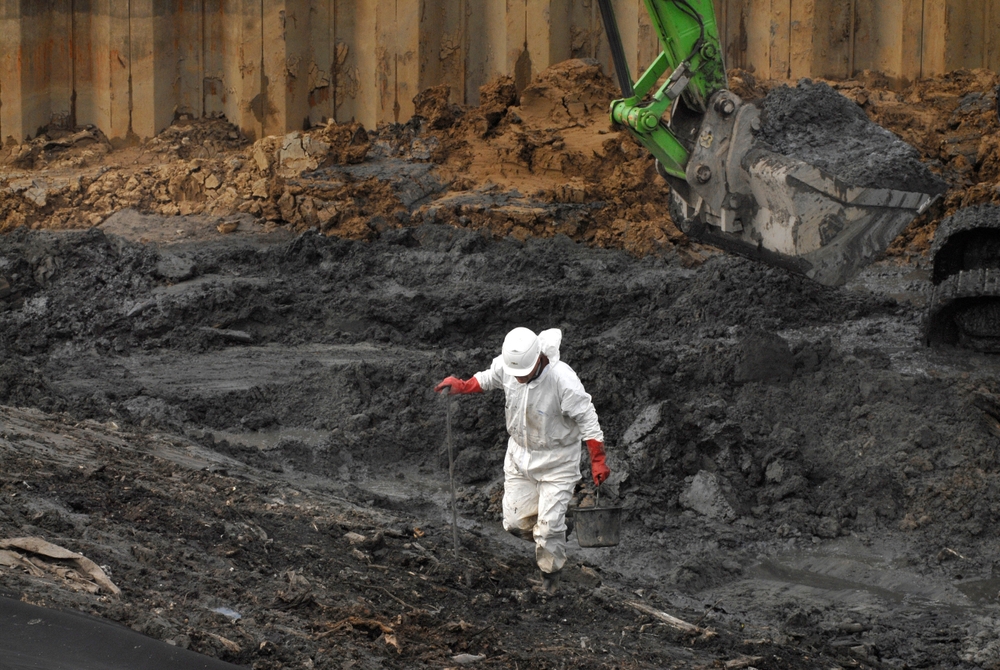
What Is Soil Remediation?
Soil remediation is the process of removing or neutralising contaminants in soil to restore land to a safe, usable condition. Site remediation, while similar, can also involve groundwater and surface contamination.
Wollongong’s industrial history, including its steel, mining, and port heritage, has led to contaminated land being a common issue in the region.
Common Types of Soil Contaminants
- Asbestos fibres (especially in older residential and industrial sites)
- Petroleum hydrocarbons (from fuel storage tanks, service stations, and industrial facilities)
- Heavy metals such as lead, arsenic, and chromium
- Volatile organic compounds (VOCs) from manufacturing or chemical use
- Pesticides and chemicals left from agricultural land use
Why Does Wollongong Soil Remediation Matter?
Simply, soil remediation SHOULD matter to every land owner because of the legal consequences of ignoring it. You may suffer financially or be held responsible for any health-related and community-facing problems.
Human Health and Environmental Risk
- Soil contaminants can leach into groundwater, affecting drinking water and local ecosystems, impacting your wider community
- Exposure to hazardous materials such as asbestos or heavy metals poses the risk of severe health issues to workers, residents, and future occupants
- Children and older, or vulnerable populations, are at the greatest risk from contaminated land, via inhalation, ingestion or skin contact
Regulatory and Legal Obligations in NSW
- In NSW, contaminated land is regulated under the Contaminated Land Management Act 1997 and the EPA’s guidelines
- If a Wollongong land owner suspects contamination, it is highly recommended that they seek professional assessment early in any development process
- Councils and planning authorities require documented confirmation that remediation has taken place before issuing approvals for occupation or development
- Failure to address contamination can result in fines, Clean-Up Notices, or the loss of development permits
- Developers and landowners may face litigation if contamination is not managed
Financial and Property Value Implications
- Property developers, builders, and commercial landowners are often surprised at the cost of remediation vs. the cost of inaction
- Contaminated land has a lower market value and can put off future buyers
- Remediation can improve long-term returns on the investment by opening up development possibilities
- Delays caused by unresolved contamination issues are often more costly than the remediation itself
Our Soil Remediation Services in Wollongong
The range of services and methods employed for soil remediation Wollongong services typically depends on the types of problems clients bring to a remediation contractor.
Site Investigation and Soil Testing
- A site visit by a professional to review site history, land use, and potential contamination sources
- Soil samples are collected from multiple locations and different depths across the site
- Samples undergo accredited Laboratory analysis to identify the types and concentrations of any contaminant
- Risk assessment to plan the appropriate course of action
Contaminated Soil Removal and Disposal
- Contaminated material is removed from the site
- All waste is taken to certified disposal or treatment facilities
- Waste tracking is documented to comply with regulations
- Asbestos-contaminated soil must only be handled by licensed contractors in accordance with WorkSafe and EPA requirements
On-Site Treatment Methods
Common treatments are:
- Bioremediation
- The use of microorganisms to break down organic contaminants
- Chemical treatment
- The application of agents such as oxidants to neutralise contaminants
- Soil washing
- Using water or chemical solutions to extract contaminants from soil particles
Groundwater Monitoring
- Contaminants often migrate into groundwater, which can considerably widen the affected area
- Groundwater monitoring helps to identify the extent of contamination and is used to track progress during remediation
The 4-Step Soil Remediation Process
This section provides an overview of the Wollongong site remediation process, so you can understand what is happening in each phase.
Step One: Site Assessment and Investigation
- During a site inspection, we review site history and prior land use to identify likely contamination sources
- We undertake soil sampling and send the samples for testing
- Laboratory analysis will confirm contaminant types, concentrations, and the extent of affected areas
- We prepare a Site Investigation report as required by the EPA
Step Two: Remediation Action Plan
- Develop a Remediation Action Plan (RAP) based on the results of our site visit and testing results
- Use the most appropriate treatment methods for the specific contaminants and site conditions
- Set remediation goals, including target contaminant levels, to enable job sign-off
- Submit the RAP for review by the relevant authorities or the client’s environmental representatives
Step Three: Remediation Works
- Our team, plus any equipment or machinery required arrive on site
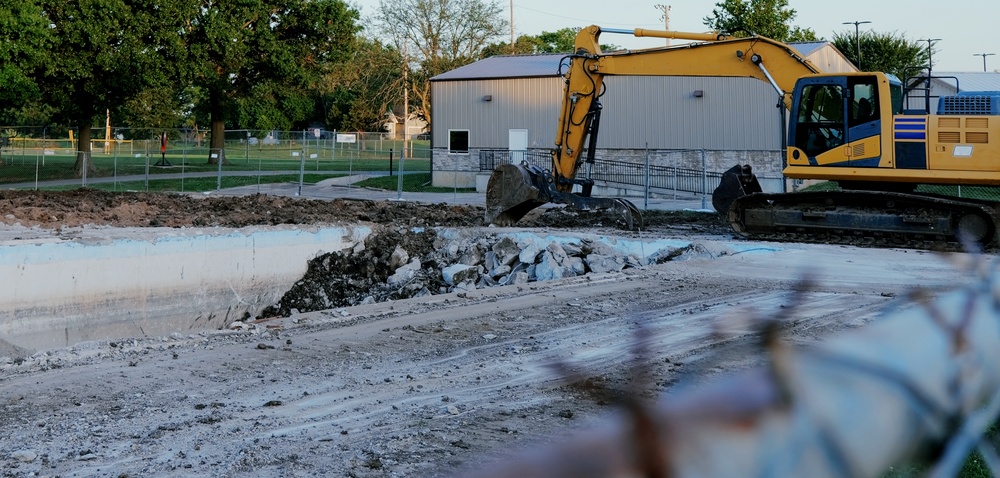
- Work to the agreed remediation methods, whether excavation, treatment, or a combination
- Manage all waste streams in accordance with EPA and local council requirements
- Professional contractors keep projects on schedule, within scope, and within budget. It is essential that you engage licensed operators, particularly for asbestos-related work, to ensure legal compliance
Step Four: Validation and Sign-Off
- Collect soil samples post-remediation to confirm contaminant levels are as expected
- Prepare documentation of test results, methods used, and outcomes achieved
- Submit validation documentation to the EPA, council, or relevant local authority
- This step is essential to gain approval for future development
- Obtain formal sign-off confirming the site is suitable for its intended use.
Wollongong Soil Remediation Services You Can Rely On
Locals trust Wollongong City Demolition as an experienced, locally based contractor serving Wollongong and surrounding suburbs across the Illawarra.
With our local knowledge, licensed operators, end-to-end project management, and a commitment to regulatory compliance, we are the go-to contractors for Wollongong site remediation.
Contact our friendly, experienced team today to discuss the plans for your land and to arrange a site visit.






Leave A Comment