
Commercial and industrial demolition is a more involved process than most people expect. Whether clearing a retail site, repurposing a warehouse, or removing a factory in the Illawarra region, the planning, compliance, and execution need to be handled professionally.
This guide covers the main types of commercial demolition services available in Wollongong, explaining which options suit retail sites, warehouses, or factories, and how to choose the right process for your property.
What Is Commercial Demolition?
Commercial demolition Wollongong is the complete or partial removal of buildings or structures such as office buildings, retail centres, warehouses, schools, and mixed-use properties. Unlike residential demolition, commercial projects are typically larger in scale, involve more complex regulatory requirements, and often require specialised equipment and licensed contractors.
NSW commercial demolition must comply with strict work health and safety legislation, council approval processes, and environmental guidelines. Addressing these early helps property owners feel confident and prepared, reducing worries about legal issues and delays.
Commercial vs Industrial Demolition: What’s the Difference?
These terms refer to different types of demolition projects with different requirements.
- Commercial demolition covers structures such as offices, retail shops, restaurants, aged care facilities, schools, and mixed-use buildings
- Wollongong industrial demolition involves factories, processing plants, manufacturing facilities, and other heavy-use infrastructure
- Industrial premises may have hazardous materials such as asbestos, lead paint or other chemicals, requiring specialist handling and removal
- Both industrial and commercial demolition projects need licensed contractors, council approvals, and notification to SafeWork NSW
- Industrial projects tend to involve heavier machinery, more complex site conditions, and longer project timelines
Types of Commercial Demolition Services
The method used for a project depends on the structure, the building’s condition, the site layout, and the land’s intended use once demolition is complete.
Here are the main service types you’re likely to encounter.
Full Demolition
- Used when a building is structurally unsound, beyond economic repair, or the site is being cleared for redevelopment
- Common for older retail centres, industrial buildings, and commercial properties that no longer meet use requirements
- Requires careful planning around adjoining properties, underground services, and site access
Partial or Selective Demolition
- Used in commercial fit-outs, building extensions, or structural alterations
- The demolition team ensure a precise, expert execution to protect the integrity of walls, floors, and structural elements being retained
- Often involves hand demolition in confined or sensitive areas
Structural Demolition
- Common before renovations or when a building is about to be repurposed for a different commercial use
- Requires engineering input to ensure the remaining structure remains stable throughout the process
- Frequently used in the adaptive reuse of older commercial buildings across Wollongong’s CBD and industrial precincts
Hazardous Material Removal
- Asbestos-containing materials (ACMs) are common in commercial and industrial buildings constructed before the late 1980s across the Illawarra region
- Other hazardous materials include lead-based paint and chemical or fuel contamination on industrial sites, which require careful, professional handling. Proper management by licensed contractors ensures safety, giving property owners peace of mind.
- Removal and disposal must be conducted by licenced contractors to comply with NSW Work Health and Safety legislation
- An asbestos survey from a licensed assessor is required before demolition can proceed on any at-risk site
- Skipping this step exposes property owners, contractors, and neighbouring businesses to serious legal, health, and safety risks, so ensuring proper hazardous material removal and compliance is essential for a safe, lawful project.
The Commercial Demolition Process in NSW
Understanding each stage of the process helps you plan your project timeline and avoid costly delays.
Site Assessment and Feasibility
- The contractor assesses the site, including the building, site access, proximity to neighbouring properties, overhead power lines, and underground utilities
- Hazardous materials are identified at this stage, and a work plan is prepared, outlining the method, timeline, and any specific requirements
Permits and Council Approvals
- A demolition approval or development consent is normally required via Wollongong City Council
- For projects involving asbestos removal or structures above a certain size, SafeWork NSW must be notified at least five business days before work begins
Hazardous Materials and Preparation
- Asbestos removal must be carried out by a contractor holding a current NSW asbestos removal licence. Waste material must be disposed of at an EPA-approved facility
- Utility disconnections for electricity, gas, water, and telecommunications must be arranged before demolition starts
Demolition Execution
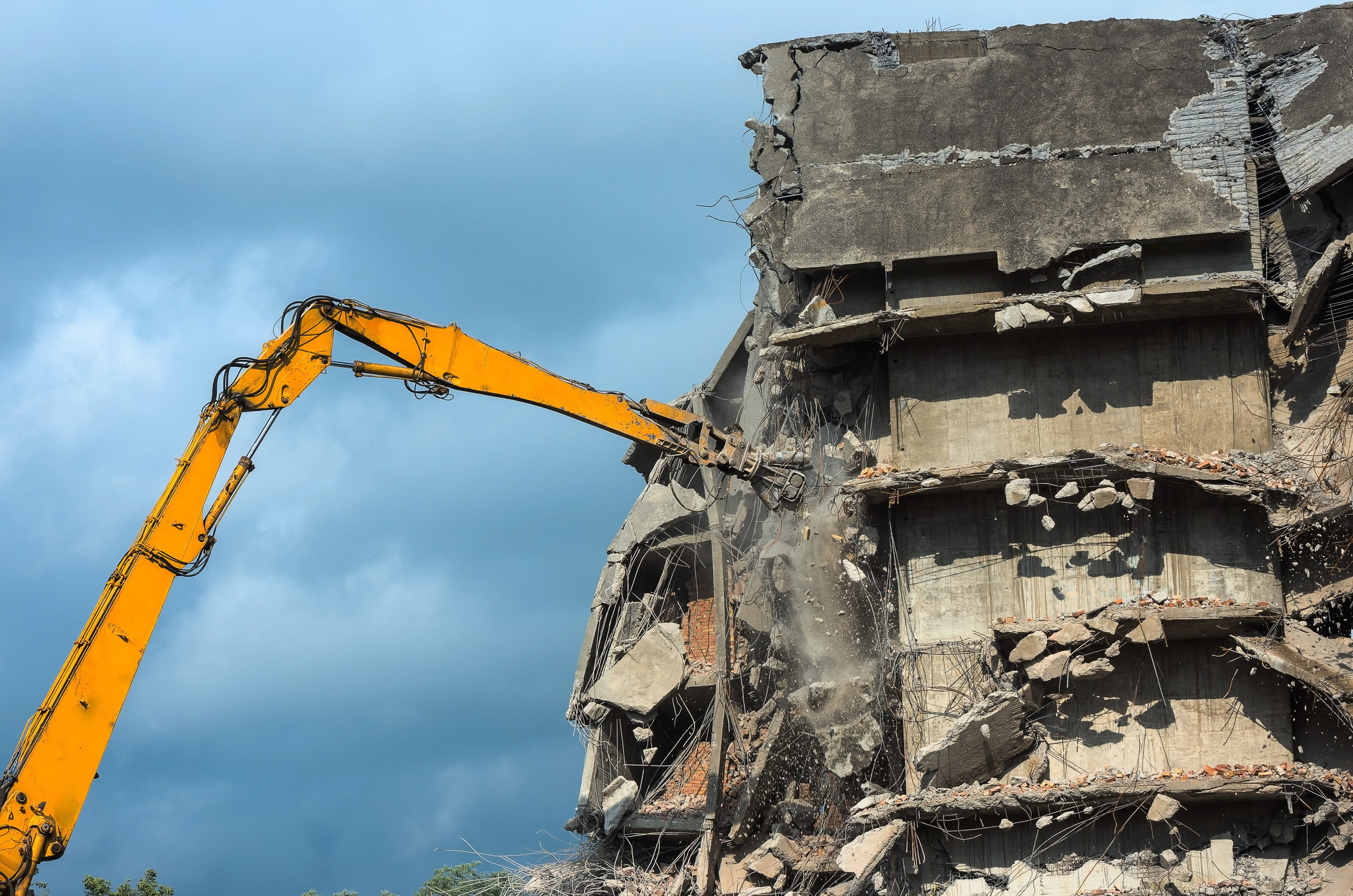
- Mechanical demolition using excavators with specialist attachments is the most common method for larger structures
- Hand demolition is used in selective or partial projects and in areas where heavy machinery cannot operate safely
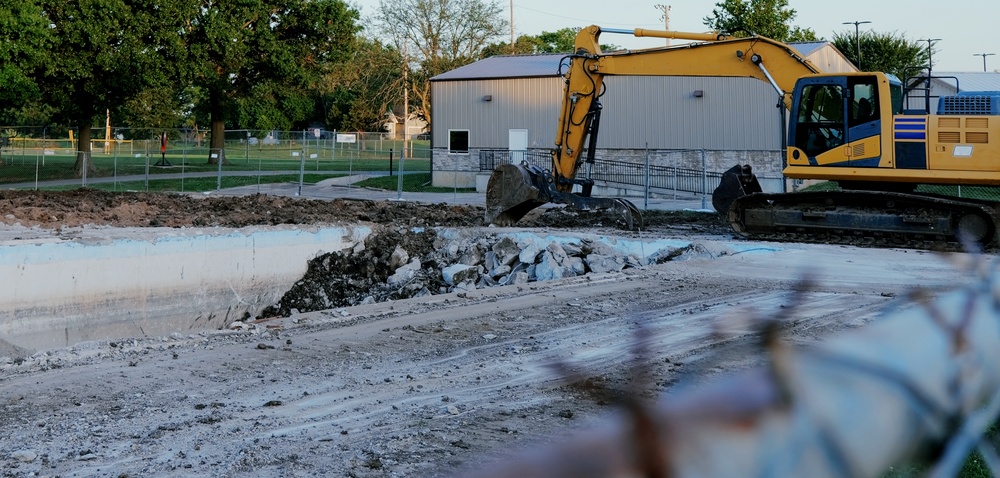
Waste Removal and Site Clearing
- Materials are sorted on-site and separated for recycling, salvage, or licensed disposal
- Concrete, structural steel, bricks, and timber are commonly recycled or repurposed, reducing the overall disposal costs
Frequently Asked Questions About Commercial Demolition in Wollongong
Do I need a permit for commercial demolition in NSW?
Yes. You typically need a demolition approval or development consent from Wollongong City Council before work can begin. For larger projects or those involving asbestos removal, you must also notify SafeWork NSW at least five business days before demolition starts. Your demolition contractor should be able to guide you through the approval process and advise on what’s required for your specific project.
How long does a commercial demolition project take?
A small commercial building may be demolished and cleared within a few days, while larger industrial sites could take several weeks or longer. Understanding the key milestones, such as permits, asbestos removal, and site clearance, helps you plan your project timeline accurately.
Can commercial demolition waste be recycled?
A significant proportion of commercial demolition waste is recyclable. Concrete, structural steel, bricks, and timber can often be sorted and sent to licensed recycling facilities. A responsible contractor will have a waste management plan in place.
Do I need to be on-site during demolition?
Not necessarily, but having a designated contact available throughout the project is strongly recommended. Your contractor should provide you with regular progress updates and contact you immediately if unexpected conditions are encountered. Make sure you have a clear communication plan in place before work begins.
Talk to Wollongong City Demolition
Wollongong City Demolition provides commercial and industrial demolition Wollongong and the surrounding suburbs of the Illawarra region. We are locals too, with years of experience. The team manages the full process from initial site assessment and council approvals through to final site clearance.
Whether you’re planning a full commercial demolition or a selective structural removal, get in touch with the team to discuss your project and request a quote.
Find out more about our commercial demolition services in Wollongong






Leave A Comment