
If you have an older building in the Illawarra area, you should understand how Wollongong asbestos removal works!
Asbestos was widely used in construction in Australia from the 1920s through to the late 1980s, with a full ban on manufacture, import, use, and sale taking effect on 31 December 2003
It is estimated that one in three Australian homes has asbestos-containing materials (ACMs), and the Wollongong Local Government Area is no exception.
In this article, find out where and why asbestos may be located in your property and the various types of asbestos that are common locally and take a look at the health risks of asbestos exposure.
Rest assured, a professional asbestos removal contractor can safely remove all dangerous asbestos from your premises. We explain how you get the necessary permits and approvals, and finally, we walk through a standard Wollongong asbestos removal process to provide you with the peace of mind of understanding each phase of an established, much-repeated process.
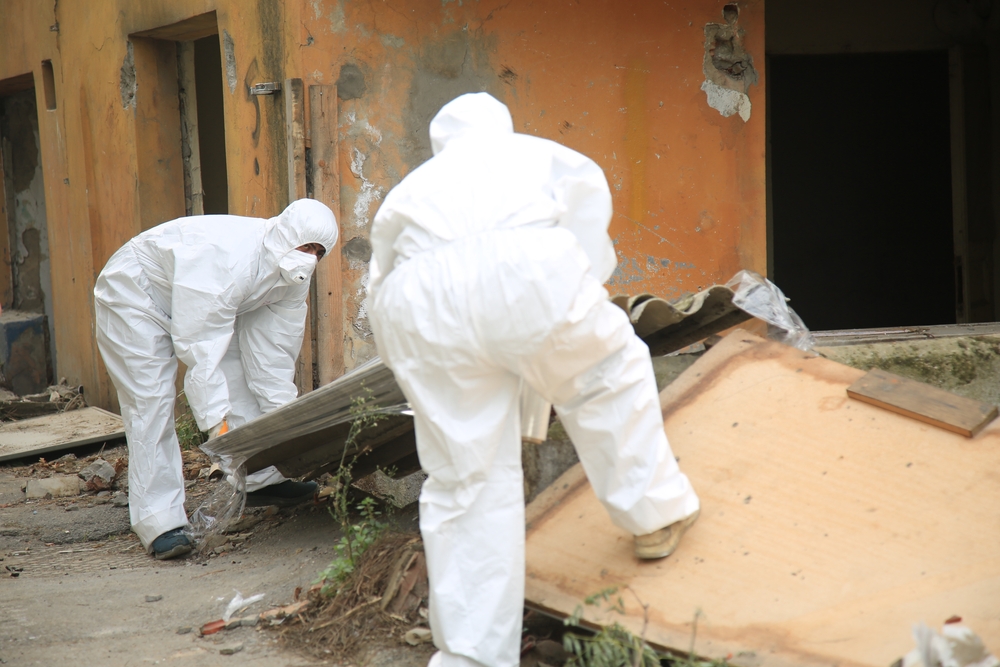
Asbestos in Wollongong and NSW: The Background
Wollongong’s industrial and residential history, particularly the high-growth construction period between 1940 and 1980, means older properties across the region are disproportionately likely to contain asbestos
Any property in Wollongong built, or renovated, before 31 December 2003 should be treated as a potential asbestos risk until confirmed otherwise.
Where Was Asbestos Used?
Some of the places ACMs may be in your property:
- Roofing, ceilings, walls and floor tiles
- Pipe insulation and cement sheets
- Insulation boards and wallboards
- Gaskets, machinery components and industrial fittings in Wollongong’s older industrial facilities
- Spray-on coatings in commercial and public buildings
Why Was Asbestos So Widely Used?
Asbestos was almost regarded as a wonder material for years by builders and manufacturers before the health risks were understood:
- Naturally resistant to heat, fire, electricity and corrosion
- Easily available, plentiful, inexpensive and easy to mix into cement and other building composites
- Seen as a high-performance material at the time, particularly for post-war housing construction booms
Types of Asbestos Found in NSW Properties
There are six naturally occurring asbestos minerals, with three of these most commonly used in Australian construction:
Chrysotile
- Chrysotile or White asbestos was the most commonly used type worldwide and in Australia
- Found in roofs, ceilings, walls and floors
- Widely used for its insulation properties
Amosite
- Amosite (Brown Asbestos) is typically found in cement sheets, ceiling tiles and pipe insulation
- Used heavily in commercial buildings and industrial facilities
Crocidolite
- Crocidolite or blue asbestos is the most dangerous of the three main types
- Found in spray-on coatings, pipe insulation and cement products
- Blue asbestos use was banned in Australia in 1966, earlier than the other types
Bonded vs. Friable Asbestos
This is a critical distinction for you to understand before considering any removal work.
- Bonded (non-friable) asbestos:
- fibres are tightly bound within a matrix such as cement or resin, making them less likely to release fibres under normal conditions.
- Non-friable asbestos can be considered stable enough to remain in place
- Friable asbestos:
- can be crumbled by hand, readily releases fibres into the air, and poses a significantly higher health risk
- Bonded asbestos is common in Wollongong residential properties; friable asbestos is more typically found in older industrial and commercial buildings
Health Risks: Why Asbestos Must Be Taken Seriously
Asbestos fibres, when disturbed, become airborne and can be inhaled, embedding permanently in lung tissue. Symptoms often don’t appear for decades after exposure.
Significant exposure, where friable asbestos is inhaled, is linked to three primary diseases :
- Asbestosis
- A chronic lung disease caused by scarring of lung tissue
- Develops after prolonged exposure, typically in occupational settings
- Lung Cancer
- Asbestos exposure significantly increases lung cancer risk, particularly in those who also smoke
- Mesothelioma
- A rare and aggressive cancer affecting the lining of the lungs and abdomen
- NSW recorded Australia’s first asbestos-related death in 1933
NSW Regulations Governing Asbestos Removal
Asbestos removal in NSW is regulated by SafeWork NSW under the Work Health and Safety Regulations 2017. Key requirements include:
- Any removal of friable asbestos can only be carried out by a licensed Class A removalist, regardless of the quantity involved
- Removal of more than 10m2 of non-friable asbestos must be carried out by a licensed Class B removalist
- Licensed removalists must notify SafeWork NSW at least five calendar days before commencing removal work
Can You Remove Asbestos Yourself in NSW?
- NSW law permits the unlicensed removal of non-friable asbestos only when the area is less than 10m2 in total
- Before undertaking any unlicensed removal, a person must:
- Read and follow the NSW Code of Practice: How to Safely Remove Asbestos
- Inform all workers of the associated health risks
- Provide asbestos awareness training to all workers involved
- Despite this provision, SafeWork NSW consistently recommends engaging a licensed removalist for any amount of asbestos
The 4-Step Asbestos Removal Process
This section provides a clear picture of what to expect when you engage a professional asbestos removalist in Wollongong.
Step One: Inspection and Assessment
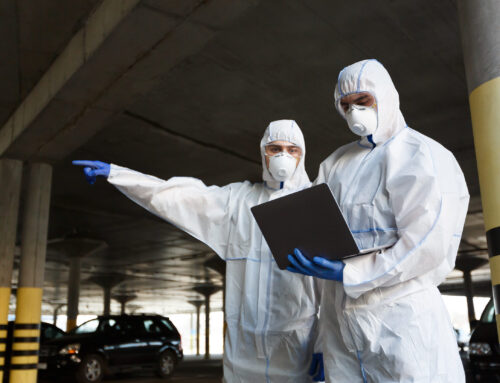
- A licensed assessor inspects the property and identifies all suspected ACMs
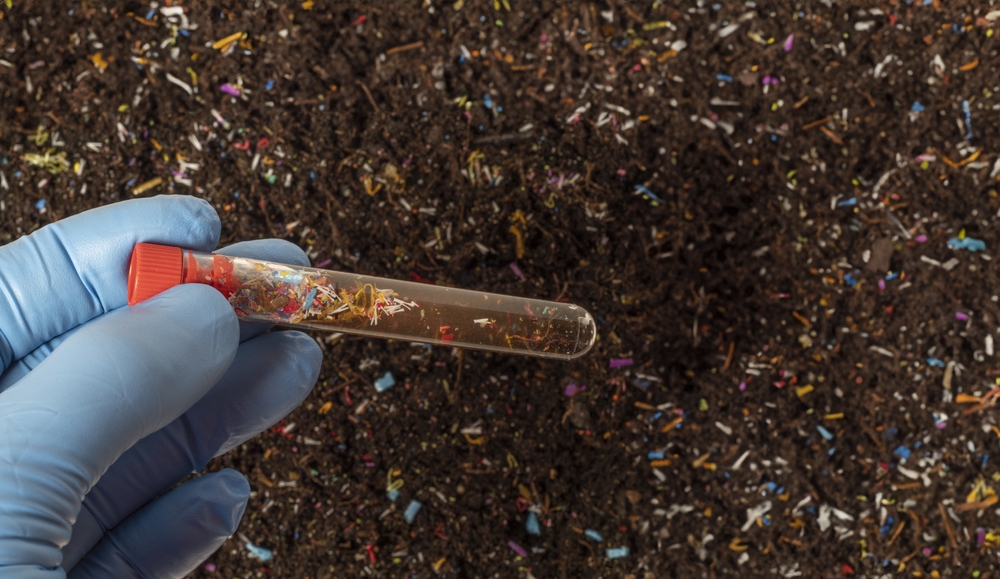
- Samples are collected and submitted for laboratory testing
- A written report details the type, condition and location of any asbestos found
- This stage confirms whether Class A or Class B removal is required
Step Two: Planning and Notification
- A detailed removal plan is prepared in line with NSW Work Health and Safety Regulations
- SafeWork NSW is notified at least five calendar days before work commences
- The work area is prepared, including the installation of containment barriers and signage
- Decontamination procedures are confirmed
Step Three: Safe Removal and Containment
- The removal area is sealed off to prevent the spread of fibres to adjoining spaces
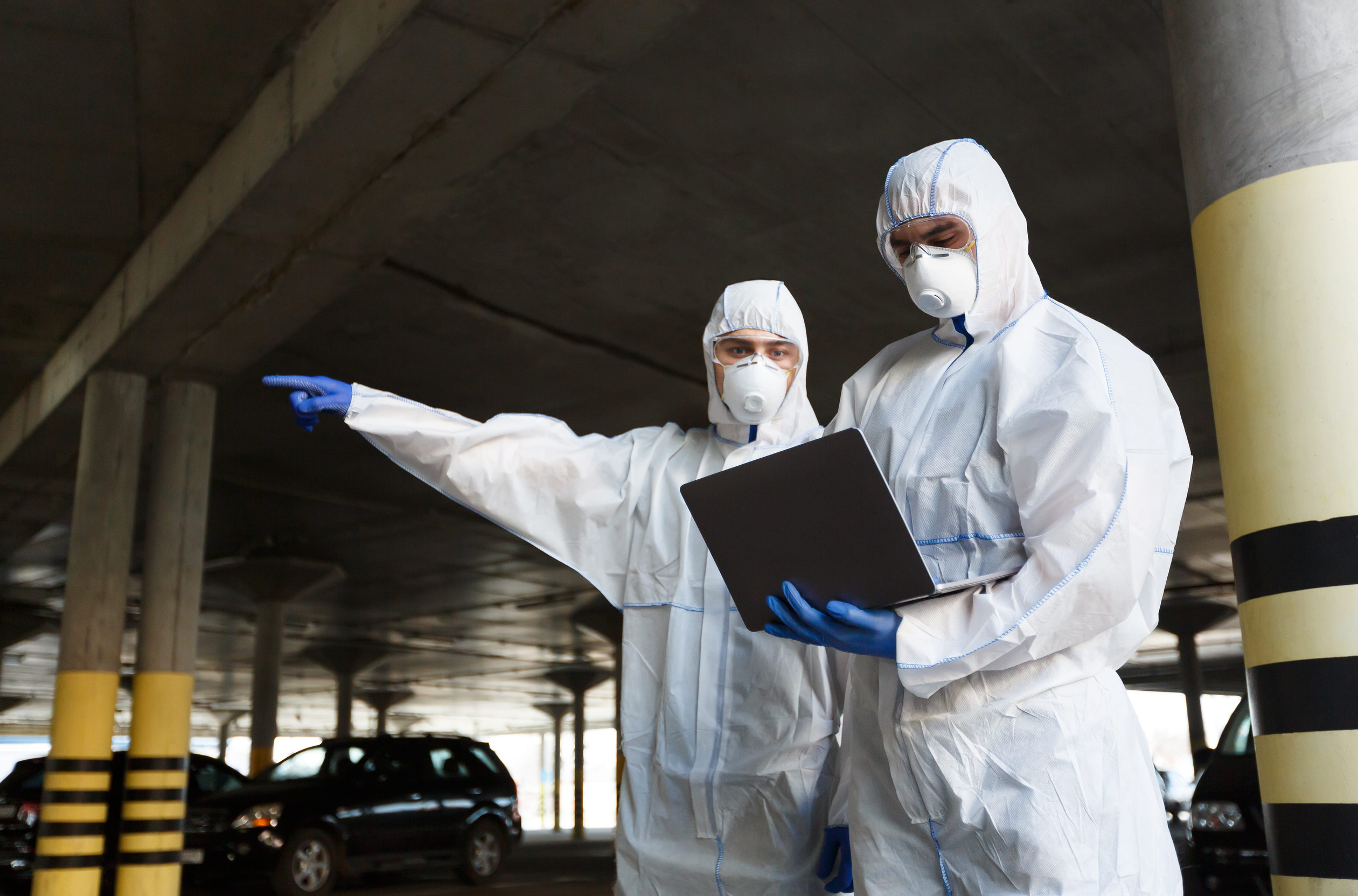
- Licensed removalists use industry-approved equipment, including respirators, full Personal protective equipment (PPE) and HEPA-filtered vacuum units
- ACMs are carefully removed using wet methods where applicable, to suppress fibre release
- All asbestos waste is double-bagged in heavy-duty, clearly labelled bags for disposal
Step Four: Disposal, Air Monitoring and Clearance
- Bagged asbestos waste is transported to a licensed disposal facility in compliance with NSW environmental regulations
- An independent occupational hygienist conducts air monitoring to confirm the area is clear of airborne fibres
- A formal clearance certificate is issued, and the site is signed off as safe
- Documentation is provided to the property owner for their records
Wollongong Asbestos Removal: Professional Help Is Essential
Asbestos management in Wollongong and across NSW is not a task for untrained hands. Compliance with the regulations, health risks, and disposal requirements all demand the involvement of a licensed professional
At Wollongong City Demolition, we provide licensed asbestos removal services across Wollongong and surrounding suburbs, handling everything from initial inspection through to final clearance certification
Visit our asbestos removal Wollongong webpage to learn more about our full service.


Leave A Comment