
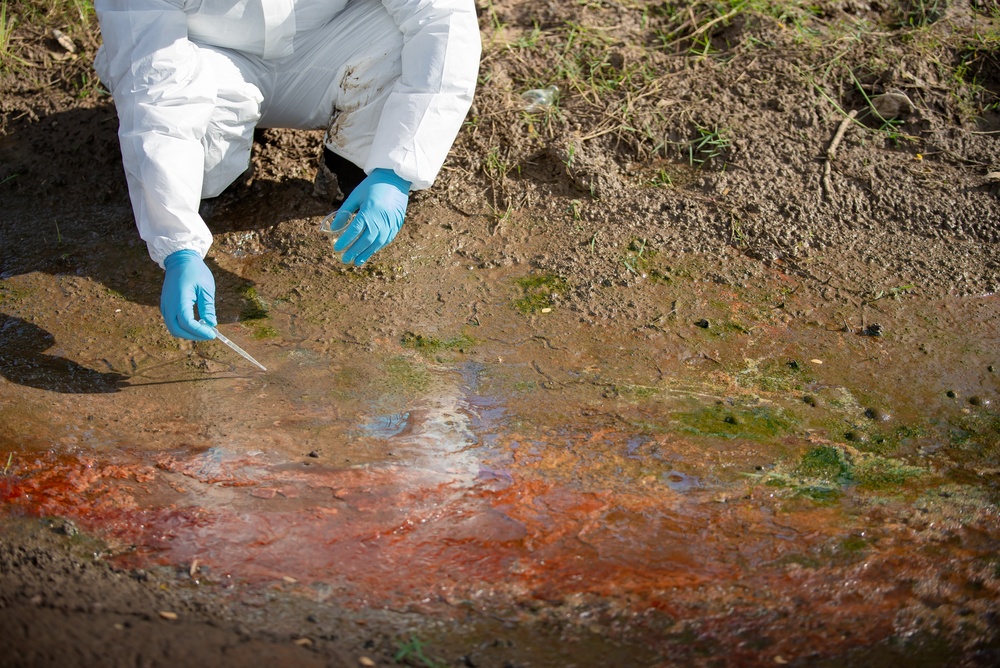
The short answer is: not without proper assessment and, most likely, soil remediation too.
Building on contaminated soil without resolving the contamination is illegal under NSW legislation, as it poses serious risks to human health, structural integrity, and property value.
If you own land in Wollongong, the Illawarra region, or surrounding suburbs and are planning a build, this article will help you understand your obligations before you break ground.
What Is Contaminated Soil?
Contaminated soil contains harmful substances at levels that may damage human health or the environment. Contamination is typically caused by past industrial, agricultural, or construction activity and is often not visible to the naked eye.
Common contaminants found in soil across Wollongong and NSW include:
- Heavy metals and asbestos fibres
- Petroleum hydrocarbons from fuel storage or spills
- Pesticides and herbicides from agricultural land use
- Industrial chemicals
The Wollongong and Port Kembla areas have a well-documented history of heavy industry, including steelworks and port operations. This means contamination is a genuine and common concern for local landowners and developers.
Is Building on Contaminated Soil Legal in NSW?
Building on contaminated land without assessment or remediation is not permitted under NSW law, with strict requirements for development on potentially contaminated sites.
Wollongong City Council’s Development Control Plan (DCP), Chapter E20, details procedures for identifying, assessing, and managing contaminated land before any development approval can be granted.
In practical terms, this means:
- A Preliminary Site Investigation is required as part of a development application
- A Detailed Site Investigation may be required if the preliminary investigation identifies potential issues
- Remediation must be carried out in accordance with standards set by the NSW EPA before a site is deemed suitable for its intended use
- An official, licenced Site Auditor may need to certify the remediation outcome
What Is a Preliminary Site Investigation?
A Preliminary Site Investigation (PSI) is a desktop and historical review of a site. It examines the land’s history, including past uses, ownership, and any known contamination incidents.
A PSI is used to determine whether a Detailed Site Investigation (DSI) is necessary. If the PSI raises concerns, soil and groundwater sampling are then required to assess and measure actual contamination levels.
What Is a Detailed Site Investigation?
A Detailed Site Investigation involves physical sampling of soil and sometimes groundwater. The results are used to determine the nature, extent, and concentration of any contaminants present on the site.
Key outcomes of a DSI include:
- Confirmation of site contamination, or not
- Identification of the type and concentration of contaminants
- A risk assessment specific to planned land use
- Recommendations for remediation or risk management
Does All Contaminated Land Require Full Remediation?
Not always. The requirement depends on the intended land use and the level of risk associated with the contamination. NSW uses a risk-based framework, meaning the acceptable level of contamination varies depending on how the land will be used.
For example:
- Residential development, like homes and childcare centres, always requires the highest standard of remediation due to human exposure
- Commercial or industrial uses may be acceptable at higher contamination levels, as long as appropriate risk management measures are in place
- Farmland, for food crops, has strict rules regarding certain contaminants
Strategies such as capping contaminated areas with clean fill or using physical barriers may be accepted as an alternative to full removal. However, this normally requires ongoing monitoring and formal documentation.
What Are the Risks of Building Without Remediation?
Building on contaminated land without proper assessment and remediation carries significant legal, financial, and health consequences.
Health risks include:
- Exposure to asbestos fibres during excavation, construction or later disturbance of the land
- Vapour risks from hydrocarbons or solvents
- Water contamination, impacting water for drinking or irrigation
- Exposure to heavy metals through soil contact or dust
You will also be subject to possible legal and financial risks, including:
- Your development application may be refused
- Fines from the NSW EPA or local council
- Personal liability for third-party health impacts
- Reductions in property values and difficulty selling
- Costly retrospective remediation after construction is complete
How Does Soil Remediation Work?
Soil remediation Wollongong aims to remove, reduce, or neutralise any contaminants in the soil to restore it to a safe condition suitable for the intended land use.
The method used depends on the type and extent of contamination. Common approaches include:
Excavation and Removal
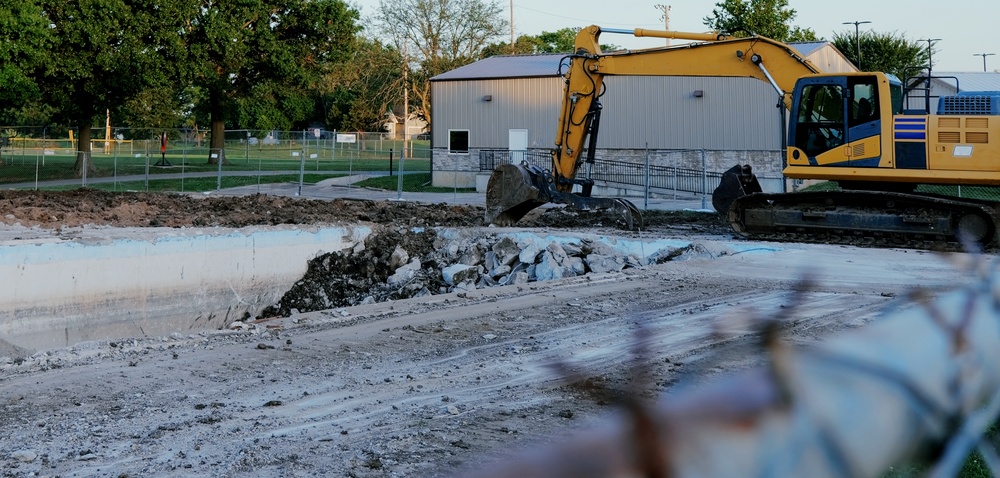
This is the most straightforward method. Contaminated soil is excavated, loaded, and transported to a licensed disposal or treatment facility. It is effective for localised contamination but can be costly for large volumes.
In-Situ Treatment
In-situ treatment addresses contamination without fully excavating the soil. Techniques include:
- Chemical stabilisation or solidification to lock in contaminants
- Bioremediation, which uses microorganisms to break down organic contaminants
- Soil vapour extraction for volatile compounds
Capping and Containment
In some cases, where full removal is not practical or cost-effective, contaminated soil is contained beneath a physical barrier. This is generally approved only for non-residential or low-risk development scenarios and requires ongoing monitoring.
What Happens After Remediation?
Once remediation is complete, the site must be verified. A site validation report is prepared, confirming that contamination has been addressed to the required standard. In many cases, an accredited NSW Site Auditor must review and certify the outcome.
The validation process typically includes:
- Post-remediation soil and groundwater sampling
- Laboratory analysis of samples
- Preparation of a Site Audit Statement
- Submission to the council as part of the development application process
Frequently Asked Questions
Can I buy land with contaminated soil?
Yes, you can purchase contaminated land, but you must understand the obligations that come with it. You will likely need to conduct a site investigation and remediation before any contaminated land development NSW approval is granted.
Who is responsible for remediating contaminated land in NSW?
Under the Contaminated Land Management Act 1997, the responsibility generally falls on the person who caused the contamination. However, if the original polluter cannot be identified or held responsible, the current landowner may bear the cost of remediation.
How long does soil remediation take?
Timeframes vary significantly depending on the size of the site, the type and extent of contamination, and the remediation method used. A straightforward excavation and removal job may take days. More complex remediation involving in-situ treatment or groundwater management can take months or longer.
Does soil contamination affect property value?
Yes. Contaminated land typically has a lower market value, and some buyers and lenders will not proceed with a transaction until the site is remediated and certified. Remediating a site restores its full potential for use and can significantly increase its market value.
Is soil testing required before selling land in NSW?
Soil testing is not always legally required before a sale, but vendors have a disclosure obligation under NSW law if they are aware of contamination. Buyers are strongly advised to commission a site investigation as part of their due diligence.
About Wollongong City Demolition
We are Wollongong City Demolition, a locally owned and operated team serving Wollongong and the surrounding Illawarra suburbs. We understand the land, the region’s history, and the challenges associated with industrial and residential sites throughout this area.
Our soil remediation services are designed to get your site ready for development, safely and in full compliance with NSW EPA requirements. Whether you are a homeowner planning a new build, a developer working on a commercial project, or a landowner dealing with legacy contamination, we handle the process from assessment through to site validation.
We communicate clearly throughout the process, work to agreed-upon timelines, and ensure there are no surprises. If you are unsure about the condition of your land, getting an assessment is always the correct first step.
Contact us today to discuss your site, ask any questions and determine exactly what is needed to move forward.






Leave A Comment