
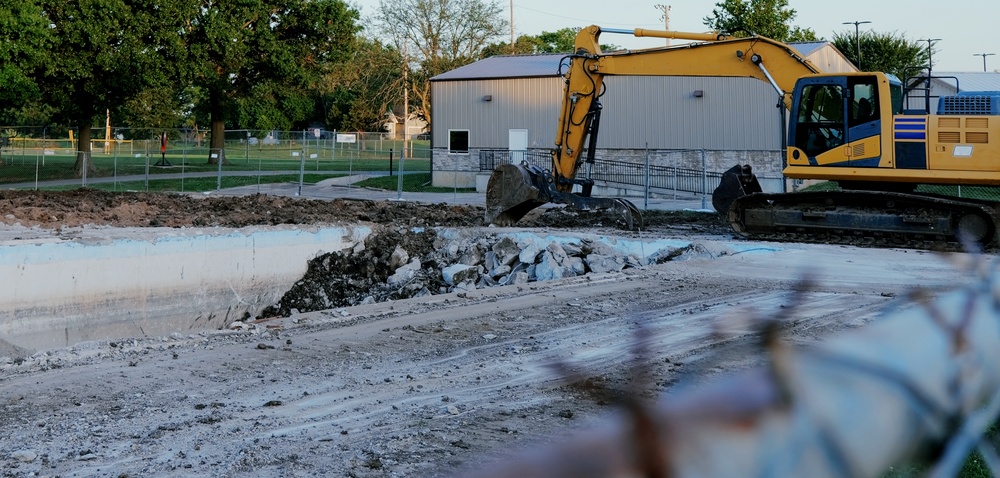
The good news is that pool removal Wollongong can be straightforward when the rules are followed from the start. This guide explains when council approval is needed, why compliance matters, what pool decommissioning means, and how to avoid common mistakes.
If you are planning a swimming pool removal in Wollongong or the surrounding suburbs, the key issue is not just taking the pool out. It is making sure the work meets local requirements, protects future use of the site, and avoids problems with council later on.
When is council approval required?
Council approval is usually required when the pool or spa was originally installed with approval. In simple terms, if the structure needed approval to go in, it will generally need approval to come out as well.
This is especially important for pools that are built into the ground or form part of a permanent structure. Council rules apply to more than just the shell of the pool, they can also involve fencing, access, drainage, and how the site is left after removal.
Which pools usually need approval?
- In-ground concrete pools.
- Fibreglass pools.
- Above-ground pools that were installed with approval.
- Spas that were approved as part of the property.
- Any pool structure that remains part of the land or building works.
Which pools may not need the same level of approval?
- Small portable pools.
- Temporary pools that do not trigger local approval requirements.
- Pools that were never part of a permanent structure, subject to council rules.
Why council compliance matters
Council compliance matters because pool removal is not only a demolition job, it is a regulated process. If the work is done without following local requirements, it can create problems for current owners, future buyers, property managers, and developers.
It also helps protect the value of the property. If a pool has been removed incorrectly, that can create issues during a sale, lease, or future building application.
Key reasons to follow council guidance
- To avoid compliance breaches.
- To reduce the risk of fines or enforcement action.
- To keep the site safe during and after the work.
- To support future development or landscaping plans.
- To avoid delays when selling or leasing the property.
What does pool decommissioning mean?
Pool decommissioning is the process of removing the function of a pool or spa, so it is no longer a usable water structure. In many cases, this means more than just emptying the water and covering the opening.
The safest and most reliable outcome is usually full removal of the structure. That helps prevent future movement, hidden hazards, and avoidable development problems down the track.
Decommissioning is not the same as leaving an old shell in place and calling the job done. Council and certifiers may still need evidence that the pool has been properly removed or rendered unusable.
Removal versus decommissioning
- Removal means taking the pool structure out and disposing of it properly.
- Decommissioning means making the pool permanently unusable.
- Full removal is often the cleaner long-term option.
- Proper documentation helps prove the work was completed correctly.
What is the approval process in Wollongong?
The approval process should start before any demolition work begins. That gives you time to confirm what council expects, what records are needed, and whether any site-specific conditions apply.
Once the requirements are clear, the pool can be removed in a controlled way. The site should then be filled, compacted, and left in a safe condition that suits the next use of the land.
What are the common compliance issues?
The most common problems are simple, but they can cause real delays. They usually happen when people assume a pool can be removed like ordinary garden waste or skip the council step altogether.
Another common issue is leaving the job half-finished from a compliance point of view. The pool may be gone, but if the site has not been properly documented or reinstated, council or future inspectors may still raise concerns.
Common problems to avoid
- Starting removal before checking council requirements.
- Failing to notify council after completion when required.
- Leaving unstable fill or an unsafe excavation.
- Not keeping evidence of the work.
- Assuming all pools are treated the same.
FAQs about pool removal approval in Wollongong
Do all pools need approval to be removed?
No, not always. The need for approval depends on the type of pool, how it was installed, and the local requirements that apply to the property.
Can a pool be removed without council involvement?
In some situations, minor or portable structures may not need the same process. For permanent pools and spas, it is safer to check with council first.
What happens if a pool is not removed properly?
An incomplete or non-compliant removal can create safety issues, future development problems, and possible council follow-up. It can also complicate a sale or lease.
Does a portable pool need approval?
Portable pools do not usually need the same removal approval as permanent pools, but that depends on the size, setup, and local rules. It is still worth checking before disposal.
Who can help with the process?
A local demolition specialist can help assess the site, explain the compliance steps, and manage the removal in line with council requirements.
Need help with pool removal compliance?
At Wollongong City Demolition, we make local pool removal simpler by helping property owners, managers, and builders handle the process with Wollongong pool compliance in mind.
With years of experience, we understand the local requirements for pool decommissioning and can guide you through the steps needed for a clean, safe, and compliant result.
If you are planning a pool removal Wollongong or the surrounding suburbs, contact us today to discuss the job and get the right advice before work begins.






Leave A Comment