
A well-planned commercial demolition NSW turns a potentially complex, risky project into a safe, efficient and cost-controlled outcome.
In this guide, we explain the most common commercial demolition methods used across NSW, looking at approaches that protect people, meet regulations, and deliver a clean, site-ready handover.
Read on to learn which techniques suit different building types, how strip-outs fit into the program, and what documentation you should expect at completion of your commercial demolition project.
What are the main commercial demolition approaches in NSW?
Commercial demolition in NSW is delivered through a small set of proven approaches, chosen by building type, location, and the site’s end use. The right approach reduces risk, controls dust and noise, and keeps neighbours and operations safe.
Which method suits full building removal?
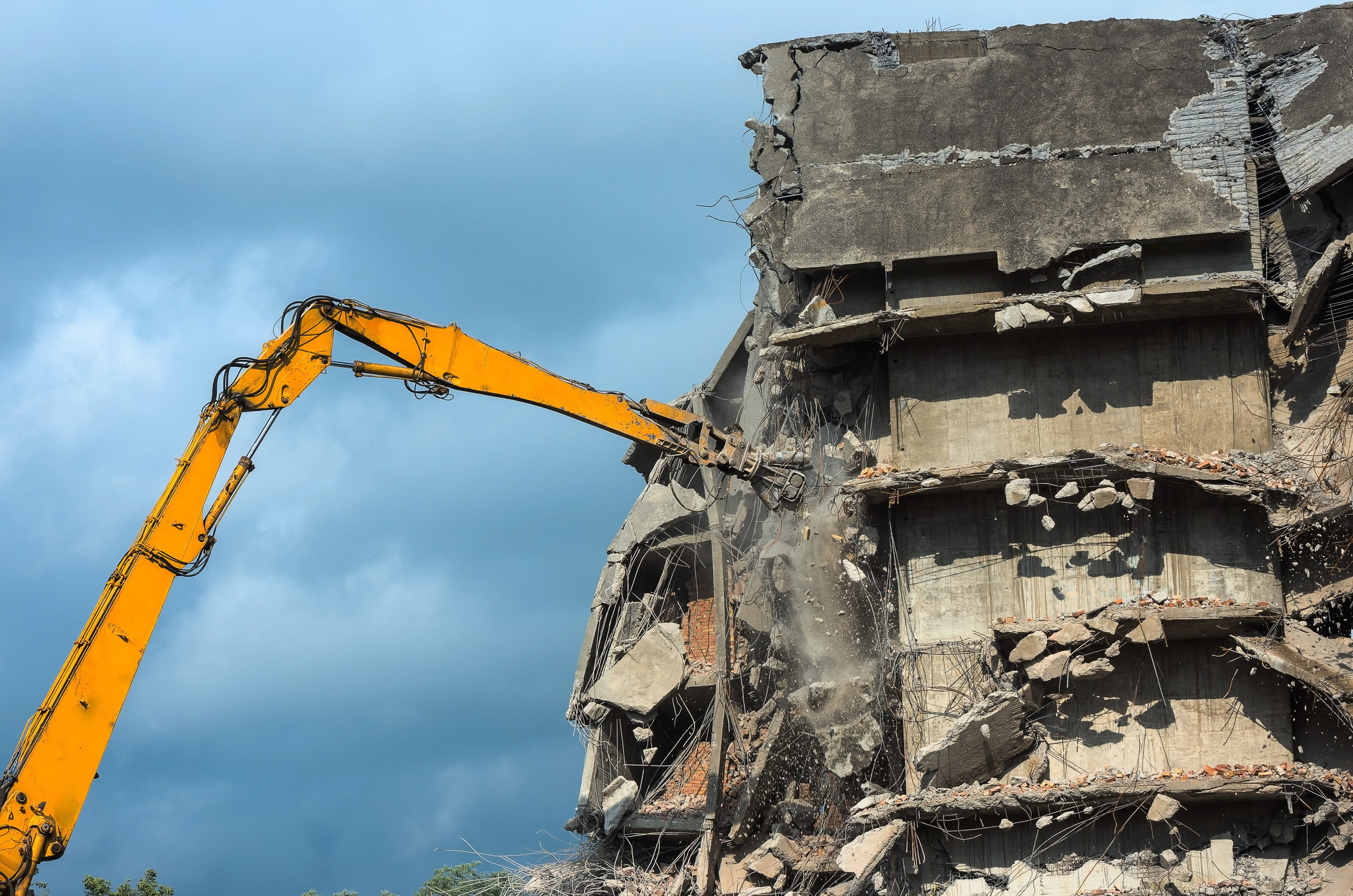
Full building removal is used when the entire structure must come down for new construction or redevelopment. Mechanical demolition with high-reach excavators is the standard method for multi-storey commercial buildings in urban areas.
When is selective or partial demolition the right choice?
Selective demolition removes specific sections while keeping the remainder of the building operational or intact. This is common for refurbishments, expansions, or tenancy changes within a larger complex.
How does soft strip differ from hard demolition?
Soft strip (interior strip-out) removes only non-structural elements, leaving the structural shell. Hard demolition includes structural elements such as load-bearing walls, slabs, and roof frames.
What demolition methods and techniques are used on commercial sites?
Methods are chosen according to the structure, constraints, and desired end state. The most common techniques on NSW commercial sites are mechanical, manual, and hybrid approaches that combine both.
When is mechanical demolition required?
Mechanical demolition is the use of excavators, high-reach machines, and hydraulic attachments to dismantle structures quickly, safely and efficiently. Planning focuses on stability, access, and neighbour protection.
Where does manual demolition add value?
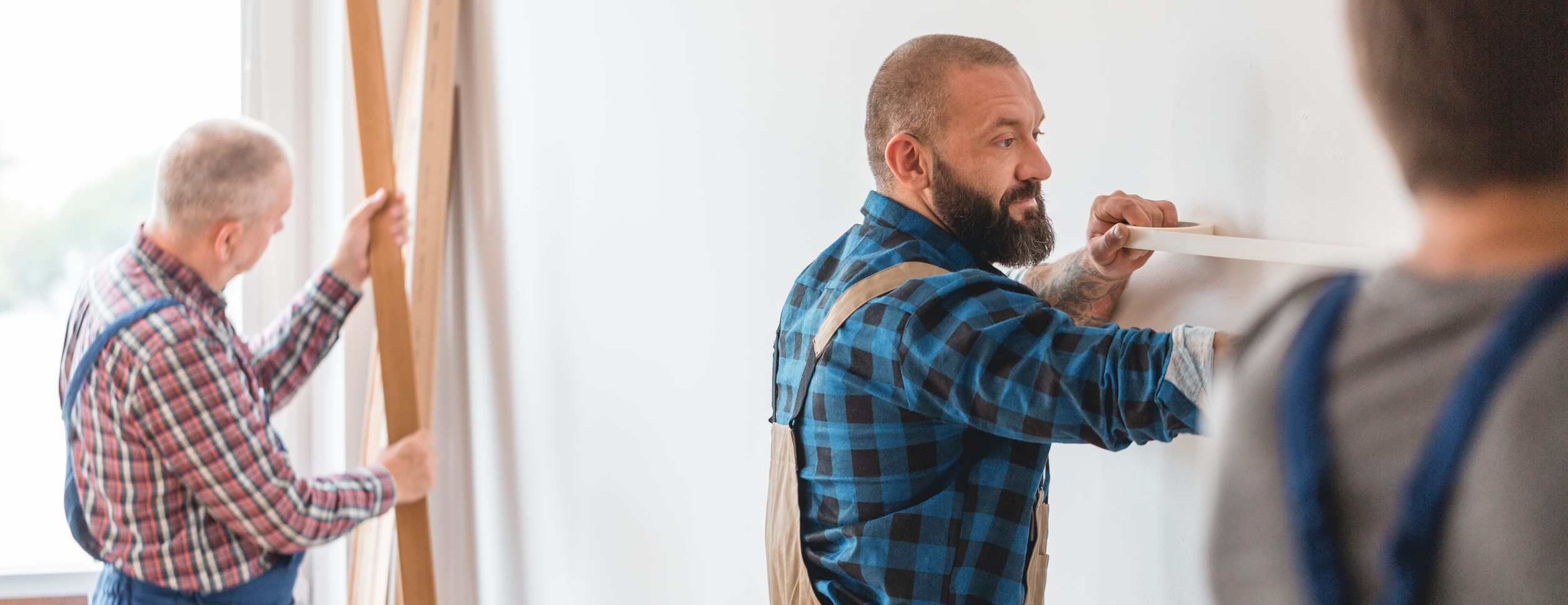
Manual demolition is used where access is tight, retention is required, or finishes must be preserved. It is common in live environments, heritage elements, and complex fit-outs.
What is a hybrid demolition approach?
Hybrid demolition combines both mechanical and manual methods to ensure safety and precision. It is often the most practical solution for mixed-use or partially occupied sites.
What is included in structural and non-structural demolition?
Structural demolition removes load-bearing elements such as columns, beams, slabs, and roof frames. Non-structural demolition removes partitions, facades, ceilings, and finishes that do not carry building loads. Both are staged to suit program and access constraints.
Which building elements are typically removed?
Commercial projects often require removal of both internal and external elements to achieve a clean base build or full clearance.
This may include:
- Partitions, mezzanines, and non-load-bearing walls
- Ceilings and joinery
- Services such as electrical and plumbing fixtures
What is a commercial strip out and when is it required?
A commercial strip out Wollongong is the complete removal of interior fit-out elements to return a space to base build condition. It is required for end-of-lease make-goods, pre-refurbishment, or change-of-use projects.
Strip outs are common across offices, retail, hospitality, medical, and industrial units with extensive fit-outs.
How are plant and equipment removed safely and responsibly?
Plant and equipment removal requires safe isolation, lifting plans, and responsible disposal or recycling. This covers HVAC units, cool rooms, kitchen equipment, racking, and lighting.
What is the safe isolation process?
Safe isolation prevents injury and damage during removal.
This often involves:
- Electrical isolation and lockout by licensed electricians
- Gas and refrigerant recovery by licensed technicians
- Capping and disconnecting services and utilities
How is waste material handled?
Responsible disposal reduces environmental impact and can lower costs through rebates.
Waste management includes:
- Metal recycling for steel, copper, and aluminium
- Refrigerant recovery and certified disposal
- Donation or resale of usable equipment where feasible
- Certified waste transport and disposal records
What does site preparation and handover include?
Site preparation and handover deliver a clean, level, and documented site ready for the next phase. This includes final clean, waste removal, levelling, and compliance records.
What is included in final clean and waste removal?
Final clean removes all demolition debris and prepares the site for inspection. Key tasks:
- Sweep and wash-down of hardstands and access points
- Removal of all waste bins and skip containers
- Final rake and magnet sweep for metal and nails
- Verification that no hazardous materials remain on site
What documentation is provided at handover?
Handover documentation proves compliance and supports future works or property transactions. Typical documents include:
- Waste tracking and disposal records
- Compliance records and permits
- Asbestos clearance certificate where applicable
- Final site report with photos and sign-offs
Frequently Asked Questions
What is the difference between demolition and strip out?
Demolition removes structural elements and often the entire building, while a strip out removes only non-structural fit-out elements to return a space to base build.
Do I need a permit for commercial demolition in NSW?
Most commercial demolition requires a permit or approval from the local council or a principal certifier, depending on the scope and location.
How long does a commercial strip out take?
A typical office or retail strip out takes 1 to 3 weeks, depending on size, services, access hours, and waste logistics.
Is asbestos testing required before demolition?
Asbestos testing is required if the building was constructed or refurbished before the late 1980s, or if asbestos is suspected during inspection.
What happens to waste from commercial demolition?
We segregate waste on-site, sending metals, concrete, and timber to recycling where possible, and disposing of hazardous materials at licensed facilities.
How can Wollongong City Demolition help?
At Wollongong City Demolition, we provide commercial demolition services across Wollongong and surrounding suburbs.
We handle structural and non-structural demolition, commercial strip outs, asbestos removal, plant and equipment removal, concrete and hardstand removal, waste management and site handover.
Contact us today with your questions to discuss your commercial demolition NSW plans and arrange a site assessment.





Leave A Comment