
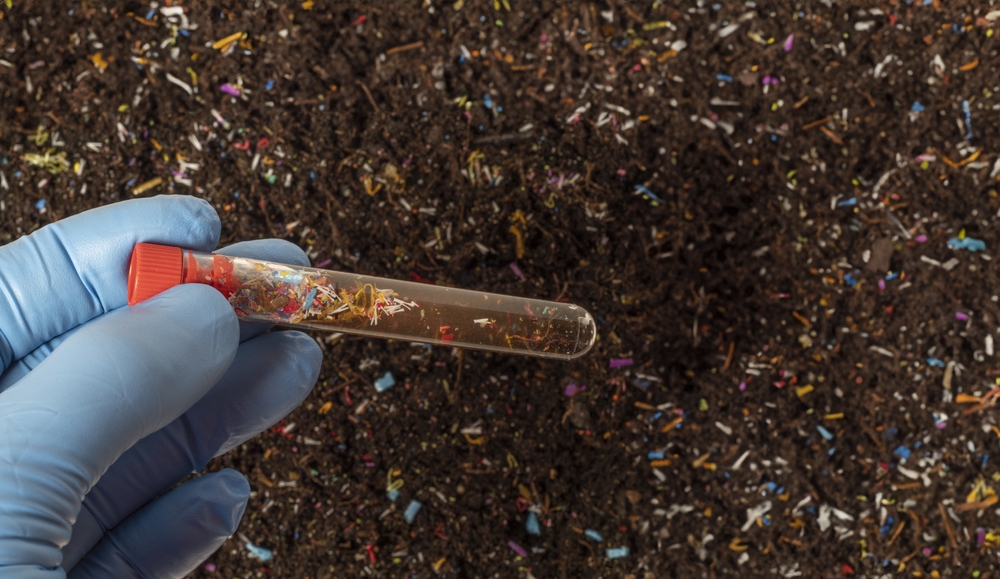
If you need to develop or sell your Wollongong property, a contaminated site can delay projects and inflate costs.
In this guide, we explain contaminated soil treatment Wollongong.
We explain how to identify contamination, choose the right treatment, and navigate NSW EPA and council requirements with confidence.
Read on to understand soil remediation Wollongong like an expert.
What does “healing” contaminated soil actually mean?
Soil remediation Wollongong involves treating the level of contamination so the site is safe for the intended future use and meets regulatory standards. This normally involves assessment, treatment or removal, validation, and documentation for council or the NSW EPA.
- Definition: Soil remediation is the process of removing, destroying, or stabilising contaminants so the land is suitable for its next use.
- Goal: Meet the relevant land use category (e.g. residential, commercial, industrial) under the National Environment Protection Measure (NEPM) and NSW guidelines.
- Outcome: A validated site with an audit trail that supports development applications, sales, or financing.
How do I know if my Wollongong site has contaminated soil?
Start with a structured assessment. Most Wollongong sites with past industrial, service station, demolition, or fill activities warrant a Preliminary Site Investigation (PSI) before design or purchase.
- Common reasons for site testing:
- Previous site use as workshops, depots, service stations, or dry cleaners
- Historical fill or unknown soil sources
- Asbestos-containing materials found during demolition
- Typical steps:
- Historical research of previous site use.
- Soil and groundwater samples are taken for laboratory testing.
- Comparison of results to NEPM and NSW EPA criteria for the intended land use.
- Decision point: If contaminant levels exceed criteria, a Remediation Action Plan (RAP) is typically required before works proceed.
What are the main methods to heal contaminated soil Wollongong?
Select a treatment method based on contaminant type, volume, site access, program, and budget. The most common approaches in Wollongong include excavation and disposal, bioremediation, stabilisation, and containment.
Excavation and disposal
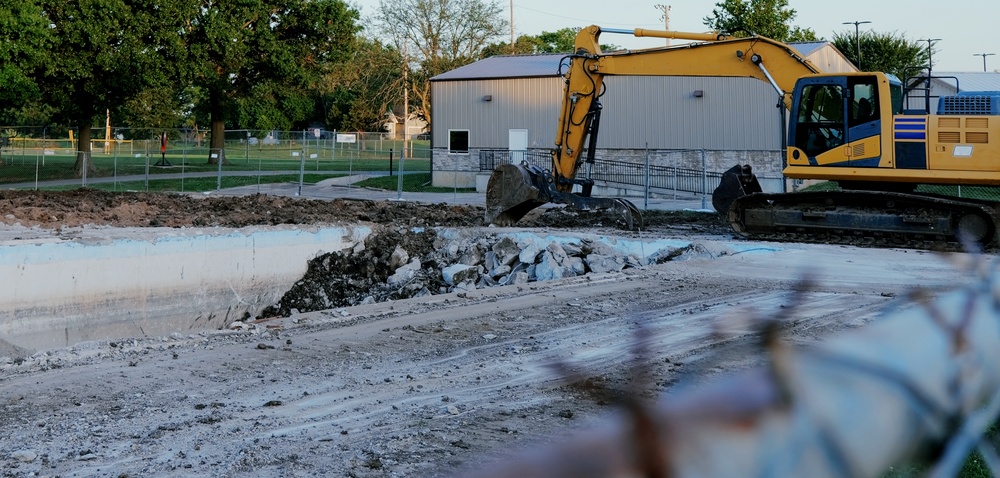
A common approach when site contamination is believed to include asbestos-impacted soil requiring licensed handling and disposal or heavily contaminated hotspots that could block construction.
Typical project steps:
- Identify the type and scope of contamination.
- Prepare a RAP and get local authority approvals.
- Excavate as planned and take waste to a licensed facility.
- Backfill with clean material.
- Validate with post-works sampling and reporting.
Bioremediation and enhanced biological treatment
Bioremediation uses microbes and plants to break down organic contaminants in hydrocarbon-impacted soils from former fuel storage or spills. A typical project can last for weeks or months of treatment.
The end result is a major reduction in total petroleum hydrocarbons (TPH) and related compounds over 6–12 weeks, subject to conditions and monitoring.
Stabilisation, solidification, and chemical treatment
Stabilisation and solidification reduce contaminant mobility, making soil safer to manage or reuse on-site. Chemicals are stabilised or solidified, and certain soils may be neutralised with lime before disposal.
Often employed where the site has metals or inorganics that cannot be “destroyed” and, occasionally, on sites where excavation is impractical or too costly.
This method may be regarded as risk reduction while longer-term works are planned.
What are the NSW EPA and Local Council requirements?
Remediation in Wollongong must comply with NSW EPA guidelines and council conditions, with independent site auditor sign-off for many developments.
- Common council conditions:
- Submit a RAP prepared by a qualified consultant.
- Obtain interim advice from a NSW EPA accredited site auditor before Phase 1 works.
- Provide a Site Auditor’s Statement and Report before subdivision or occupation.
- Use certified clean fill (e.g. VENM) and geotechnical oversight for backfilling.
- Documentation you will need:
- PSI and DSI reports
- RAP and validation plan
- Waste tracking and disposal receipts
- Post-remediation validation report and auditor statements
What are the cost drivers for healing contaminated soil?
Costs vary widely. The biggest drivers are contaminant type, soil volume, disposal distances, and the level of validation required.
Major cost components include the inspection, excavation and transport efforts, disposal fees, plus site audit and laboratory testing fees.
Frequently Asked Questions
What is soil remediation?
Soil remediation is the process of removing, treating, or containing contaminants so the land meets safety and regulatory standards for its intended use.
Can I build on contaminated soil in Wollongong?
Normally, you can after assessment and remediation have made the location safe and you have NSW EPA approval and site auditor sign-off.
How is asbestos in soil handled?
Soil with asbestos contamination is normally excavated then taken to a licensed disposal facility.
How long does bioremediation take?
Bioremediation commonly runs over 6–12 weeks for hydrocarbon-impacted soils, with progress confirmed by periodic laboratory testing.
Do I need a site auditor?
Many Wollongong developments require a NSW EPA accredited site auditor to review the RAP and issue statements before subdivision or occupation.
Next Steps with Wollongong City Demolition
At Wollongong City Demolition, we help Wollongong business owners, property managers, and construction teams with contaminated soil treatment Wollongong.
Our team has years of experience and we handle the initial assessment, licensed removal, treatment options, and validation so your project stays on time and on budget.
Read our soil remediation Wollongong web page for more information and contact us to discuss your site, timelines, and the most practical path to heal your contaminated soil.






Leave A Comment